
Blog

Polyendocrine Metabolic Ovarian (PMOS), formally Polycystic Ovarian Syndrome (PCOS)is one of the most common yet underdiagnosed endocrine disorders affecting women of reproductive age. Despite its name, PMOS is not primarily a gynecological issue—it is a complex metabolic and hormonal condition rooted in insulin resistance. An estimated 10–15% of women in the U.S.—that’s roughly 5–6 million women—are affected by PMOS. Yet, up to 70% of those living with it have not been diagnosed. For many, the road to a diagnosis is long and exhausting—patients often see three or more healthcare providers and have up to ten doctor visits before receiving a diagnosis. In fact, it can take more than two years, and for some, up to a decade, to finally be told they have PMOS. This delay is not just frustrating—it’s dangerous. The earlier PMOS is diagnosed, the sooner treatment can begin to mitigate symptoms, improve quality of life, and reduce the risk of long-term complications. Why The Name Change The updated name, Polyendocrine Metabolic Ovarian Syndrome, better reflects what this condition actually is. Many people still assume it's a gynecologic disorder because of the term "ovarian," but PMOS is fundamentally an endocrine and metabolic disorder—meaning it starts with hormone and metabolic dysfunction, not the ovaries. In fact, the ovarian cysts often associated with PMOS are a symptom, not the cause. What Causes PMOS? And What Are The Symptoms? At its core, PMOS begins with insulin resistance—a condition in which the body’s cells do not respond effectively to insulin, causing the pancreas to produce even more. This overproduction of insulin sets off a chain reaction: Elevated insulin levels lower Sex Hormone Binding Globulin (SHBG), which normally helps regulate testosterone. Lower SHBG allows testosterone levels to rise, causing symptoms like acne, hirsutism (excessive facial and body hair), and in severe cases scalp hair thinning. Over time, insulin resistance leads to further hormonal imbalances, which causes anovulation (lack of ovulation), causing irregular or absent periods, infertility, miscarriages, and a heightened risk of endometrial cancer and breast cancer. High insulin levels also contribute to the development of acanthosis nigricans—dark, velvety patches of skin that appear around the neck and underarms. Ovarian cysts—often highlighted in ultrasounds—are the end result, not the origin, of this hormonal cascade. How PMOS Impacts Quality of Life PMOS can significantly disrupt a woman’s physical, emotional, and reproductive health. Women with PMOS often experience: Infertility and repeated miscarriages Weight gain or obesity, particularly around the midsection Chronic acne and unwanted hair growth Mood swings, anxiety, and depression Long-term health risks, including type 2 diabetes, cardiovascular disease, along with endometrial and breast cancers These challenges can be isolating, frustrating, and emotionally taxing, especially when symptoms are dismissed or misunderstood by healthcare providers. Why the Current System Fails Women with PMOS Despite being the most common endocrine disorder in premenopausal women, PMOS remains grossly underrepresented in medical and nursing education. Many providers are unaware of the importance of checking fasting insulin levels, a simple test that can help detect early insulin resistance and lead to a more accurate and timely diagnosis. As a result, women are often misdiagnosed, mistreated, or told that their symptoms are “normal” or just part of aging. Furthermore, PMOS doesn’t end at menopause just because ovulation stops. In fact, symptoms can persist—or even worsen—after menopause, as insulin resistance, hormonal imbalances, and long-term metabolic risks remain present. For women who have been diagnosed earlier in life, some healthcare providers will even discontinue treatment at menopause, due to a misunderstanding of the disease process. This gap in care can have serious consequences. Treatment must continue through menopause and beyond to manage symptoms and prevent long-term complications like cardiovascular disease, type 2 diabetes, along with endometrial and breast cancers. Women with PMOS deserve care that acknowledges the lifelong nature of this condition and supports them at every stage, not just during their reproductive years. There is Treatment—and There is Hope The good news is that PMOS can be managed with a comprehensive, individualized approach that addresses its root causes. A well-rounded PMOS treatment plan may include: Comprehensive lab testing, including fasting insulin, testosterone (free and total), SHBG, LH, FSH, progesterone, and thyroid panels Lifestyle modifications focused on nutrition, physical activity, and stress management Metabolic health support Medications such as metformin or GLP-1 receptor agonists Cycle regulation, using progesterone or other hormonal support if appropriate Ongoing support to reduce symptoms and support fertility 🌸 Introducing the Blossom Med PMOS Treatment Program At Blossom Med, we believe women deserve answers, compassion, and care that addresses the root cause of their health concerns—not just the symptoms. That’s why we’re proud of our PMOS Treatment Program. Our program includes: ✨ In-depth diagnostic lab panels 🩺 Personalized treatment plans 🍽️ Lifestyle and nutrition guidance 💬 Ongoing education and support If you’ve been searching for answers or feel like your symptoms have been overlooked, you are not alone, and we are ready to help. Contact us today to learn more about how Blossom Med can support your PMOS journey with compassionate, personalized care.

If you’ve been following our blog for a while, you’ve seen us dive deep into the world of vitamins. We’ve talked about how Vitamin A supports your vision and skin, the energy boosting power of Vitamin B , and why Vitamin C is your immune system’s best friend. We’ve even covered the sunshine benefits of Vitamin D , the protective qualities of Vitamin E , and the truth about good cholesterol . These nutrients are the building blocks of a healthy life, but they work best when they are part of a coordinated effort. Moving Beyond General Health Advice But knowing which vitamins are good for you is only half the battle. The real challenge is figuring out how to put all those pieces together into a lifestyle that actually works for you. That’s where nutritional counseling at Blossom Med in Lancaster comes in. General advice you find online often ignores your personal history, your current health markers, and your daily schedule. In a world full of fad diets and conflicting advice, it’s hard to know what your body specifically needs. Most people come to us feeling overwhelmed. They’re taking a handful of supplements and trying to eat healthy, but they aren’t seeing the results they want in their energy, weight, or mood. Without a clear strategy, even the best intentions can lead to burnout or frustration. Creating a Blueprint for Your Biology Nutritional counseling isn’t about giving you a restrictive meal plan or telling you what you can’t eat. It’s about creating a master plan for your biology. Think of vitamins and minerals as the tools, and nutritional counseling as the blueprint that tells you how to use them. We focus on adding the right foods in rather than just taking things away, ensuring you feel satisfied and energized. When we sit down for a consultation, we look at the big picture. Are you getting enough Vitamin D to support your hormones? Is your good cholesterol where it needs to be to protect your heart? We use the data from your InBody scan to understand your metabolic rate and muscle mass, which helps us determine exactly how much fuel your body requires. This data allows us to be precise, taking the guesswork out of your daily meals and instead creating a realistic, long-term plan that aligns with your life and goals. The Foundation of Long Term Success For many of our clients, especially those navigating PCOS or medical weight loss, nutrition is the most powerful tool we have. By learning how to balance your macronutrients like proteins, fats, and carbs, you can actually improve how your body absorbs those essential vitamins we’ve written about. For example, Vitamin E is fat soluble, meaning you need the right healthy fats in your diet to even use it. Proper timing and food pairings can make a massive difference in how you feel throughout the day. At Blossom Med in Lancaster, we want to empower you to be the expert on your own body. We provide the guidance, the clinical data, and the support to help you build a sustainable way of eating that doesn't feel like a chore. Whether you’re looking to clear up your skin, boost your metabolism, or just feel more vibrant every day, a personalized nutrition plan is the foundation that makes everything else work better. Schedule your visit today to get started!
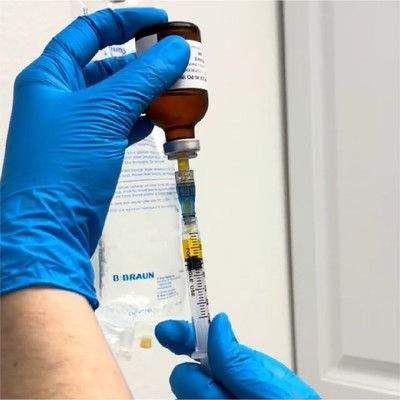
Beat the dry High Desert winter! Discover why your body needs an IV therapy boost at Blossom Med to stay hydrated, improve immunity, and maintain peak wellness.

Discover the future of personalized health at Blossom Med. Our guide explores integrative wellness strategies to help you achieve long-term, holistic vitality.

In Part 1 of our B vitamins blog, we’re focusing on the first four B Vitamins: B1, B2, B3, and B5, breaking down what they do, where to find them, and why they’re so important for your daily wellness.

When you think of Vitamin C, chances are oranges, OJ, or those chalky chewable tablets from childhood come to mind. But here’s the exciting news: Vitamin C is so much more than a “cold-fighter.” This vibrant nutrient is like your body’s behind-the-scenes wellness assistant.

You’ve probably seen Vitamin E in your favorite skincare products—but did you know this powerhouse antioxidant does so much more than hydrate your skin?
At Blossom Med, we’re shining the spotlight on Vitamin E as a key nutrient that supports total-body wellness. From cellular repair to immune protection,

When it comes to vitamins, Vitamin A might not always be in the spotlight—but it deserves a standing ovation. This powerhouse nutrient supports everything from radiant skin and sharp vision to a strong immune system. At Blossom Med Spa in Los Angeles, we love helping our clients feel their best, and Vitamin A is one nu

Not all cholesterol is bad! HDL-C helps clean up excess cholesterol in your blood and carries it to your liver to be removed.

Why fatigue, mood swings, and hormonal issues may be linked to this essential nutrient. Are you exhausted or feeling more tired than usual? Struggling with brain fog, low mood, or frequent colds? These symptoms might not just be “part of getting older” or stress—they could be signs of a Vitamin D deficiency, one of the most common and overlooked nutrient gaps affecting people today. At Blossom Med, we often see patients dealing with vague but frustrating symptoms that end up being rooted in something surprisingly simple: low Vitamin D levels. And once we address it? Energy, mood, and immunity all begin to improve. Let’s talk about why this vital nutrient matters so much—and what your body might be trying to tell you. 🌥️ What Is Vitamin D and Why Do We Need It? Vitamin D is often called the “sunshine vitamin” because our skin produces it when exposed to sunlight, however sun exposure is usually not enough to improve levels. Vitamin D is more than just a vitamin—it acts like a hormone in the body and plays a crucial role in many systems, including: Bone health & calcium absorption Immune system regulation Mood & brain function Metabolism & insulin sensitivity Hormonal balance Despite its importance, an estimated 40% of adults in the U.S. are vitamin D deficient, and up to 90% do not meet the recommended daily intake. This gap in wellness is not equally shared—communities of color are disproportionately affected. Individuals with darker skin tones, including many Black and Hispanic/Latinx individuals, are at higher risk of deficiency due to reduced vitamin D absorption from sunlight. Studies show that approximately 62% of Hispanic/Latinx adults and 82% of Black adults may be deficient in vitamin D, reflecting the impact of systemic inequities in healthcare access, nutrition, and preventive screening. ⚠️ Signs Your Vitamin D Might Be Low Vitamin D deficiency doesn’t always show up clearly at first. It often masks itself as common complaints that are easy to dismiss. ❗Common Symptoms of Low Vitamin D: Chronic fatigue or low energy Low mood, anxiety, irritability or depression Frequent colds, flus, or slow recovery from illness Muscle aches or joint pain Brain fog or difficulty concentrating Hair thinning 📊 How Deficiency Shows Up in Labs—And Why Symptoms Still Matter The standard lab test for Vitamin D measures 25-hydroxyvitamin D levels in the blood. While most labs consider levels above 30 ng/mL as "normal," optimal health often requires levels closer to 50–80 ng/mL—especially if you're dealing with immune, hormonal, or metabolic issues. At Blossom Med, we focus on functional and optimal ranges—not just barely-there levels. Important note: You can have symptoms of deficiency even if your labs are "normal." That’s why we always treat the person, not just the number. 💉 What Can You Do About Low Vitamin D? The good news? Vitamin D deficiency is easily correctable—with the right approach. At Blosom Med, we offer: ✔️ Comprehensive lab testing to assess true Vitamin D status ✔️ Oral or injectable Vitamin D —based on your needs and absorption 💉 This July we are launching the Sunshine Package ☀️ The Sunshine Package includes: Vitamin D + B12 injections—a powerful combo to boost mood, energy, and immunity Blood work to check your vitamin levels and personalize your care Vitamin B12 is another MVP when it comes to beating fatigue and helping your brain stay sharp. Together, Vitamin D and B12 create a synergy that helps you feel more energetic, balanced, and resilient. 🌼 A Natural Way to Feel Your Best If you’ve been feeling sluggish, stressed, or just not like yourself, checking your vitamin levels could be a game-changer. Many people notice a dramatic improvement in how they feel once deficiencies are corrected. Vitamin D is truly a well-known fatigue buster that can help brighten your mood, sharpen your focus, and help fight off burnout. Plus, when delivered as an injection, it can help you achieve improved levels faster vs taking a supplement alone to start. 🌸 Your Body Is Talking. Let’s Listen. If you're tired of feeling tired, emotionally off, or just not like yourself—don't ignore the signs. Your symptoms are valid, and they may be your body’s way of asking for support. At Blossom Med Spa, we’re here to help you feel vibrant, healthy, and energized every day.