Vitamina E: El Antioxidante Definitivo para una Piel Radiante y Salud Interior

This is a subtitle for your new post

Probablemente hayas visto la Vitamina E en tus productos favoritos para el cuidado de la piel, pero ¿sabías que este potente antioxidante hace mucho más que hidratar tu piel?


En Blossom Med, estamos destacando la Vitamina E como un nutriente clave que apoya el bienestar total del cuerpo. Desde la reparación celular hasta la protección del sistema inmunológico, la Vitamina E es una parte esencial de un estilo de vida saludable. Es vital para la visión, la inmunidad y la salud de la sangre, el cerebro y la piel.


Veamos por qué la Vitamina E es tan importante y cómo puede ayudarte a lucir y sentirte mejor desde adentro hacia afuera.


¿Qué es la Vitamina E?


La Vitamina E es un antioxidante soluble en grasa que protege tus células del estrés oxidativo causado por los radicales libres, moléculas inestables que pueden contribuir al envejecimiento prematuro, la inflamación y enfermedades crónicas. Más allá de la salud de la piel, la Vitamina E apoya el sistema inmunológico, la circulación y la función neurológica.


¿La mejor parte? La Vitamina E se encuentra en muchos alimentos de consumo diario. Una dieta equilibrada llena de verduras, frutas, nueces, semillas y pescado proporciona toda la Vitamina E que tu cuerpo necesita (ODS, 2024). Por ejemplo, las almendras, las semillas de girasol, las espinacas y el salmón son fuentes naturalmente ricas en este nutriente.


Beneficios de la Vitamina E


โœจ
Reparación y Brillo de la Piel – Promueve la cicatrización, la hidratación y puede reducir la apariencia de cicatrices y líneas finas.
๐Ÿ›ก๏ธ
Poder Antioxidante – Neutraliza los radicales libres que aceleran el envejecimiento y la inflamación.
๐Ÿ’ช
Apoyo Inmunológico – Refuerza la función del sistema inmunológico y ayuda a reducir la susceptibilidad a enfermedades.
โค๏ธ
Salud Cardiovascular y Circulatoria – Favorece vasos sanguíneos saludables y puede ayudar a mejorar la circulación.
โš–๏ธ
Equilibrio Neurológico y Hormonal – Protege los nervios y puede ayudar a regular hormonas, especialmente en mujeres con síntomas de SPM o menopausia.


La deficiencia de Vitamina E puede causar problemas neurológicos como dolor en los nervios (neuropatía), debilidad muscular, falta de coordinación y pérdida de visión por retinopatía (Mayo Clinic, 2024).


Aliviando los Sofocos y los Síntomas Perimenopáusicos


La Vitamina E también puede ayudar a reducir la frecuencia y la intensidad de los sofocos, así como otros síntomas de la menopausia.

En un ensayo clínico, mujeres que tomaron 400 UI de Vitamina E diariamente durante 4 semanas tuvieron sofocos menos frecuentes e intensos en comparación con quienes recibieron un placebo.


Una revisión de varios estudios encontró que la Vitamina E puede ayudar con los síntomas vasomotores (como sofocos y sudores nocturnos) y puede ser una buena opción para mujeres que no pueden usar terapia con estrógenos.


Otro estudio comparó curcumina (de la cúrcuma) y Vitamina E (200 UI diarias) durante 8 semanas. Ambos grupos mejoraron; la curcumina actuó más rápido, mientras que la Vitamina E ofreció alivio significativo al final del estudio.


Algunas investigaciones sugieren que la Vitamina E podría mejorar la función de los vasos sanguíneos aumentando los niveles de óxido nítrico, aunque los resultados son mixtos y se necesitan más estudios.


En general, revisiones recientes listan a la Vitamina E como uno de los suplementos que puede ayudar a aliviar los síntomas perimenopáusicos, incluidos sofocos, sudores nocturnos, cambios de humor y problemas de sueño.


¿Cuánta Vitamina E Necesitas?


La ingesta diaria recomendada (RDA) para adultos es de 15 miligramos (22,4 UI) por día (Cleveland Clinic, 2024; ODS, 2024). La mayoría de las personas puede alcanzar esta cantidad solo con la alimentación.


Si se necesitan suplementos, sigue la dosis recomendada y evita superar el nivel máximo de 1,000 mg/día (1,500 UI) de Vitamina E natural proveniente de suplementos. La suplementación en dosis altas puede aumentar el riesgo de sangrado, especialmente en quienes toman anticoagulantes, y causar otros efectos adversos (NIH ODS, 2024).


Interacciones con Medicamentos


Los suplementos de Vitamina E pueden interactuar con varios medicamentos. Consulta con tu profesional de salud antes de tomarlos si usas:

  • Anticoagulantes o antiagregantes plaquetarios (por ejemplo, warfarina, aspirina, clopidogrel) – Riesgo aumentado de sangrado.
  • Quimioterapia y radioterapia – Antioxidantes en dosis altas pueden interferir con la efectividad del tratamiento.
  • Estatinas y niacina – La Vitamina E puede reducir los efectos beneficiosos de estas terapias para el colesterol.
  • Ciclosporina y tacrolimus – Pueden alterar la absorción y los niveles del medicamento.

๏ปฟ

Personas con ciertas condiciones de salud, incluyendo trastornos de sangrado, diabetes, enfermedades cardiovasculares, hepáticas o ciertos tipos de cáncer, también deben usar suplementos de Vitamina E con precaución (Mayo Clinic, 2024).


¿Quién Debería Considerar la Terapia con Vitamina E?


La Vitamina E puede ser útil si notas signos como piel seca o apagada, cicatrización lenta, debilidad muscular, fatiga, cambios en la visión o adormecimiento y hormigueo por problemas nerviosos. Mujeres en perimenopausia o menopausia también pueden encontrar alivio de síntomas como sofocos y sudores nocturnos, ya que estudios sugieren que la Vitamina E puede reducir su frecuencia e intensidad (Pourhanifeh et al., 2023).


Aunque la mayoría puede cubrir sus necesidades de Vitamina E con una dieta rica en nueces, semillas, verduras de hoja verde y pescado, la suplementación puede considerarse en caso de deficiencias alimenticias, problemas de absorción (como fibrosis quística o enfermedad de Crohn) o necesidades específicas de salud (NIH ODS, 2024).


Sin embargo, la suplementación no es para todos. Dado que la Vitamina E puede interactuar con medicamentos como anticoagulantes, estatinas, quimioterapia e inmunosupresores, es importante hablar con un profesional de salud antes de tomarla (Mayo Clinic, 2024).


En Blossom Med, personalizamos los planes de tratamiento para ajustarlos a tus objetivos de salud y estilo de vida.
๐ŸŒธ Visita
www.blossommedla.com para agendar tu consulta o cita de bienestar en Blossom Med. ¡Es hora de nutrir tu cuerpo desde adentro hacia afuera!


By Darah Wilson July 7, 2026
Polyendocrine Metabolic Ovarian (PMOS), formally Polycystic Ovarian Syndrome (PCOS)is one of the most common yet underdiagnosed endocrine disorders affecting women of reproductive age. Despite its name, PMOS is not primarily a gynecological issue—it is a complex metabolic and hormonal condition rooted in insulin resistance. An estimated 10–15% of women in the U.S.—that’s roughly 5–6 million women—are affected by PMOS. Yet, up to 70% of those living with it have not been diagnosed. For many, the road to a diagnosis is long and exhausting—patients often see three or more healthcare providers and have up to ten doctor visits before receiving a diagnosis. In fact, it can take more than two years, and for some, up to a decade, to finally be told they have PMOS. This delay is not just frustrating—it’s dangerous. The earlier PMOS is diagnosed, the sooner treatment can begin to mitigate symptoms, improve quality of life, and reduce the risk of long-term complications. Why The Name Change The updated name, Polyendocrine Metabolic Ovarian Syndrome, better reflects what this condition actually is. Many people still assume it's a gynecologic disorder because of the term "ovarian," but PMOS is fundamentally an endocrine and metabolic disorder—meaning it starts with hormone and metabolic dysfunction, not the ovaries. In fact, the ovarian cysts often associated with PMOS are a symptom, not the cause. What Causes PMOS? And What Are The Symptoms? At its core, PMOS begins with insulin resistance—a condition in which the body’s cells do not respond effectively to insulin, causing the pancreas to produce even more. This overproduction of insulin sets off a chain reaction: Elevated insulin levels lower Sex Hormone Binding Globulin (SHBG), which normally helps regulate testosterone. Lower SHBG allows testosterone levels to rise, causing symptoms like acne, hirsutism (excessive facial and body hair), and in severe cases scalp hair thinning. Over time, insulin resistance leads to further hormonal imbalances, which causes anovulation (lack of ovulation), causing irregular or absent periods, infertility, miscarriages, and a heightened risk of endometrial cancer and breast cancer. High insulin levels also contribute to the development of acanthosis nigricans—dark, velvety patches of skin that appear around the neck and underarms. Ovarian cysts—often highlighted in ultrasounds—are the end result, not the origin, of this hormonal cascade. How PMOS Impacts Quality of Life PMOS can significantly disrupt a woman’s physical, emotional, and reproductive health. Women with PMOS often experience: Infertility and repeated miscarriages Weight gain or obesity, particularly around the midsection Chronic acne and unwanted hair growth Mood swings, anxiety, and depression Long-term health risks, including type 2 diabetes, cardiovascular disease, along with endometrial and breast cancers These challenges can be isolating, frustrating, and emotionally taxing, especially when symptoms are dismissed or misunderstood by healthcare providers. Why the Current System Fails Women with PMOS Despite being the most common endocrine disorder in premenopausal women, PMOS remains grossly underrepresented in medical and nursing education. Many providers are unaware of the importance of checking fasting insulin levels, a simple test that can help detect early insulin resistance and lead to a more accurate and timely diagnosis. As a result, women are often misdiagnosed, mistreated, or told that their symptoms are “normal” or just part of aging. Furthermore, PMOS doesn’t end at menopause just because ovulation stops. In fact, symptoms can persist—or even worsen—after menopause, as insulin resistance, hormonal imbalances, and long-term metabolic risks remain present. For women who have been diagnosed earlier in life, some healthcare providers will even discontinue treatment at menopause, due to a misunderstanding of the disease process. This gap in care can have serious consequences. Treatment must continue through menopause and beyond to manage symptoms and prevent long-term complications like cardiovascular disease, type 2 diabetes, along with endometrial and breast cancers. Women with PMOS deserve care that acknowledges the lifelong nature of this condition and supports them at every stage, not just during their reproductive years. There is Treatment—and There is Hope The good news is that PMOS can be managed with a comprehensive, individualized approach that addresses its root causes. A well-rounded PMOS treatment plan may include: Comprehensive lab testing, including fasting insulin, testosterone (free and total), SHBG, LH, FSH, progesterone, and thyroid panels Lifestyle modifications focused on nutrition, physical activity, and stress management Metabolic health support Medications such as metformin or GLP-1 receptor agonists Cycle regulation, using progesterone or other hormonal support if appropriate Ongoing support to reduce symptoms and support fertility ๐ŸŒธ Introducing the Blossom Med PMOS Treatment Program At Blossom Med, we believe women deserve answers, compassion, and care that addresses the root cause of their health concerns—not just the symptoms. That’s why we’re proud of our PMOS Treatment Program. Our program includes: โœจ In-depth diagnostic lab panels ๐Ÿฉบ Personalized treatment plans ๐Ÿฝ๏ธ Lifestyle and nutrition guidance ๐Ÿ’ฌ Ongoing education and support If you’ve been searching for answers or feel like your symptoms have been overlooked, you are not alone, and we are ready to help. Contact us today to learn more about how Blossom Med can support your PMOS journey with compassionate, personalized care.
March 25, 2026
If you’ve been following our blog for a while, you’ve seen us dive deep into the world of vitamins. We’ve talked about how Vitamin A supports your vision and skin, the energy boosting power of Vitamin B , and why Vitamin C is your immune system’s best friend. We’ve even covered the sunshine benefits of Vitamin D , the protective qualities of Vitamin E , and the truth about good cholesterol . These nutrients are the building blocks of a healthy life, but they work best when they are part of a coordinated effort. Moving Beyond General Health Advice But knowing which vitamins are good for you is only half the battle. The real challenge is figuring out how to put all those pieces together into a lifestyle that actually works for you. That’s where nutritional counseling at Blossom Med in Lancaster comes in. General advice you find online often ignores your personal history, your current health markers, and your daily schedule. ๏ปฟ In a world full of fad diets and conflicting advice, it’s hard to know what your body specifically needs. Most people come to us feeling overwhelmed. They’re taking a handful of supplements and trying to eat healthy, but they aren’t seeing the results they want in their energy, weight, or mood. Without a clear strategy, even the best intentions can lead to burnout or frustration. Creating a Blueprint for Your Biology Nutritional counseling isn’t about giving you a restrictive meal plan or telling you what you can’t eat. It’s about creating a master plan for your biology. Think of vitamins and minerals as the tools, and nutritional counseling as the blueprint that tells you how to use them. We focus on adding the right foods in rather than just taking things away, ensuring you feel satisfied and energized. When we sit down for a consultation, we look at the big picture. Are you getting enough Vitamin D to support your hormones? Is your good cholesterol where it needs to be to protect your heart? We use the data from your InBody scan to understand your metabolic rate and muscle mass, which helps us determine exactly how much fuel your body requires. This data allows us to be precise, taking the guesswork out of your daily meals and instead creating a realistic, long-term plan that aligns with your life and goals. The Foundation of Long Term Success For many of our clients, especially those navigating PCOS or medical weight loss, nutrition is the most powerful tool we have. By learning how to balance your macronutrients like proteins, fats, and carbs, you can actually improve how your body absorbs those essential vitamins we’ve written about. For example, Vitamin E is fat soluble, meaning you need the right healthy fats in your diet to even use it. Proper timing and food pairings can make a massive difference in how you feel throughout the day. At Blossom Med in Lancaster, we want to empower you to be the expert on your own body. We provide the guidance, the clinical data, and the support to help you build a sustainable way of eating that doesn't feel like a chore. Whether you’re looking to clear up your skin, boost your metabolism, or just feel more vibrant every day, a personalized nutrition plan is the foundation that makes everything else work better. Schedule your visit today to get started!
March 2, 2026
If you are living with PCOS, you probably know the frustration of looking in the mirror and seeing symptoms that feel completely out of your control. Maybe it is a breakout along your jawline that won’t clear up, or patches of dark skin that weren’t there before. Perhaps you’ve noticed hair growing in places you don’t want it, or you’re struggling with weight that won’t budge despite your best efforts. Many women spend years trying different soaps, laser treatments, or restrictive diets, only to find that the issues return as soon as they stop.
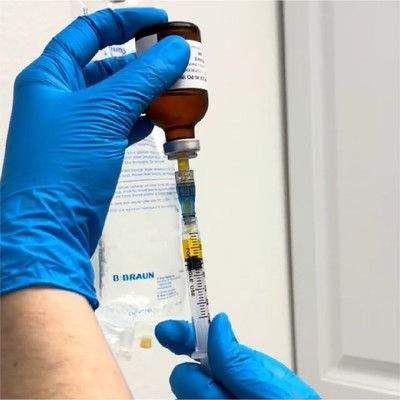
A practitioner wearing gloves is filling a syringe in a clinical settting
February 16, 2026
Beat the dry High Desert winter! Discover why your body needs an IV therapy boost at Blossom Med to stay hydrated, improve immunity, and maintain peak wellness.
A woman is standing on a scale, weighing herself to optimize her health.
February 2, 2026
Discover the future of personalized health at Blossom Med. Our guide explores integrative wellness strategies to help you achieve long-term, holistic vitality.
November 20, 2025
At Blossom Med in Lancaster , our Vitamin B12 injections are one of the most popular ways to boost energy and support overall wellness. Here are some FAQs to help you learn more. What does a Vitamin B12 shot do? Vitamin B12 supports red blood cell production, metabolism, and nervous system health. A shot helps combat fatigue and can improve energy levels. How quickly will I feel results? Many patients notice an energy lift within 24–48 hours. Results vary based on your current B12 levels. How often should I get a B12 injection? Most patients benefit from weekly or bi-weekly injections, but frequency depends on your individual needs. Are Vitamin B12 shots safe? Yes. B12 is a water-soluble vitamin, and injections are safe when administered under medical supervision. Can B12 shots help with weight loss? They may support metabolism and energy, making it easier to maintain an active lifestyle and stick to weight management goals. ๐Ÿ‘‰ Back to Wellness Shots 2. B Complex Shots in Lancaster: Frequently Asked Questions B Complex injections at Blossom Med Spa provide a balanced blend of B vitamins to support daily wellness. What’s included in a B Complex shot? It combines multiple B vitamins, which work together to support metabolism, mood, and energy production. Who benefits from B Complex injections? Anyone experiencing low energy, stress, or nutritional deficiencies may benefit. How are B Complex shots different from B12 shots? While B12 focuses on one vitamin, B Complex covers a wider range of B Vitamins, offering broader metabolic support. How soon will I notice results? Many patients report improved energy and focus within a few days. ๐Ÿ‘‰ Back to Wellness Shots 3. Glutathione Shots in Lancaster: Frequently Asked Questions Known as the “master antioxidant,” Glutathione is a favorite at Blossom Med for detox, immunity, and skin glow. What does Glutathione do? It helps the body detoxify, reduce oxidative stress, and support cellular repair, which can brighten skin and improve wellness. Can Glutathione shots improve skin? Yes — patients often notice brighter, clearer skin over time. How often should I get Glutathione injections? Typically, weekly sessions are recommended, but plans vary by individual goals. Are there any side effects? Glutathione is generally safe, but mild irritation at the injection site is possible. ๐Ÿ‘‰ Back to Wellness Shots 4. Lipo Shots in Lancaster: Frequently Asked Questions The Lipo Shot (Skinny Shot) supports fat metabolism and energy with MIC (Methionine, Inositol, Choline). What is a Lipo Shot? A lipotropic injection that helps your body break down fat, support liver health, and improve insulin sensitivity. How does it help with weight loss? By supporting fat metabolism, it can enhance the effects of a healthy diet and exercise program. How often should I get a Lipo Shot? Most patients receive them weekly as part of a medical weight loss plan. Is the Lipo Shot safe? Yes — it contains natural compounds already used by the body for metabolic functions. ๐Ÿ‘‰ Back to Wellness Shots 5. Beauty + Shots in Lancaster: Frequently Asked Questions Our Beauty + Shot is our “all in one” vitamin shot combining B vitamins, MIC, L-Carnitine, Biotin, and more for whole-body radiance. What makes the Beauty + Shot unique? It combines nutrients that support energy, metabolism, liver function, skin, hair, and nails. Who benefits most? Patients looking for an all-in-one boost for both beauty and wellness. How soon will I see results? Energy and focus may improve quickly, while skin, hair, and nail benefits build over time. Can it be combined with other shots? Yes — many patients alternate Beauty + with targeted options like Glutathione or NAD+. ๐Ÿ‘‰ Back to Wellness Shots 6. NAD+ Shots in Lancaster: Frequently Asked Questions NAD+ injections are one of the most powerful options for cellular energy, brain health, and anti-aging. What is NAD+? NAD+ (nicotinamide adenine dinucleotide) is a coenzyme that powers your mitochondria and supports DNA repair. What are the benefits of NAD+ shots? They may improve energy, focus, metabolism, and healthy aging. How quickly will I notice results? Many patients feel a mental clarity boost within a few days, though results vary. How often should I get NAD+ injections? Frequency depends on your goals — some patients start with monthly or biweekly injections, then shift to weekly injections after experiencing the benefits, maintenance varies. ๏ปฟ Are NAD+ shots safe? Yes, when given under medical supervision, NAD+ injections are considered safe and well-tolerated.
November 20, 2025
At Blossom Med in Lancaster , we believe nutrition is the foundation of wellness. Our nutritional counseling services are designed to support your health goals, whether you’re managing weight, improving energy, or addressing hormonal imbalances like PCOS. Here are some of the most common questions our patients ask.
November 20, 2025
At Blossom Med in Lancaster , we use the InBody Scan to give you a clear picture of your health and body composition. This advanced technology goes beyond the scale, helping you track fat, muscle, and hydration levels. Here are some of the most common questions we hear from patients.
November 20, 2025
This is a subtitle for your new post
By Darah Wilson November 15, 2025
In Part 1 of our B vitamins blog, we’re focusing on the first four B Vitamins: B1, B2, B3, and B5, breaking down what they do, where to find them, and why they’re so important for your daily wellness.